A phone that cannot phone
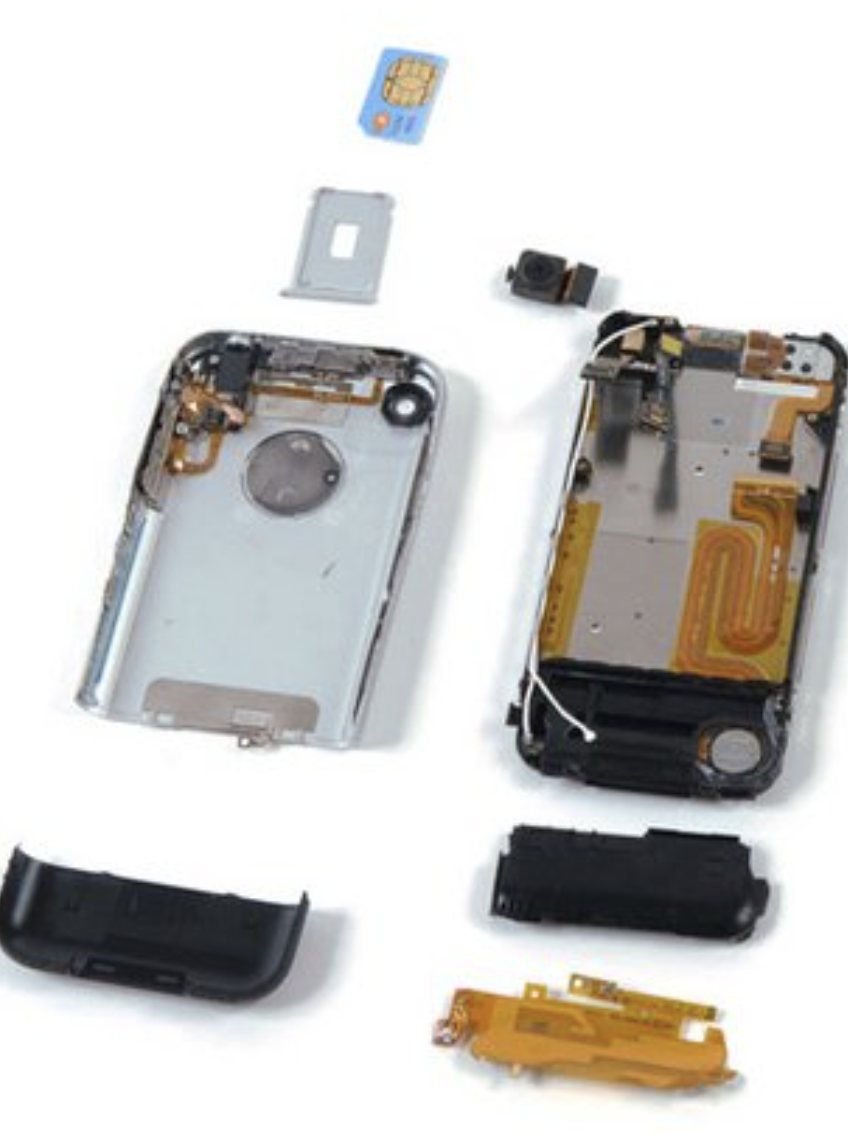
The name on my object says phone, and the name is no longer true. The original iPhone speaks only 2G. AT&T, the carrier it was sold locked to, shut down its 2G network on 1 January 2017 (MacRumors, 2017).
T-Mobile retired its own on 3 August 2026, the last of the three major US carriers to do so. The original iPhone can now join no US cellular network (MacRumors, 2026).

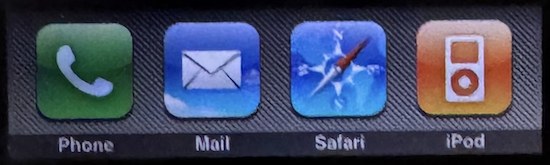
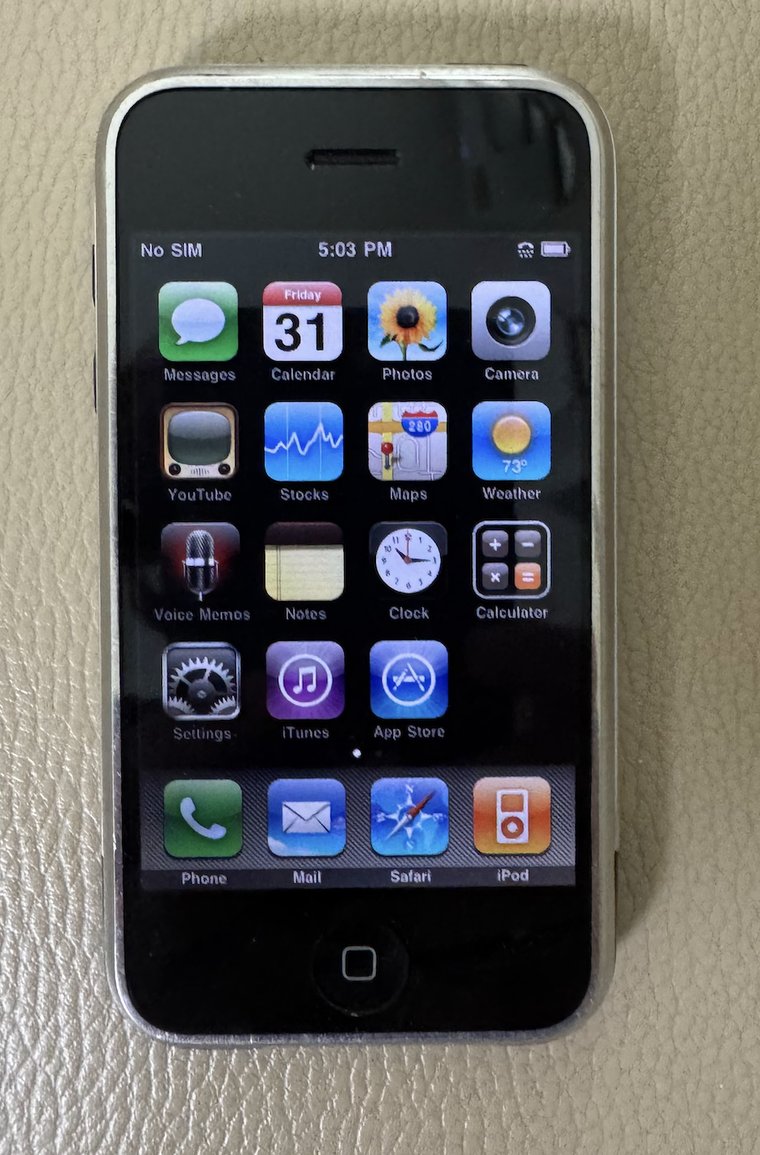
The status bar, enlarged from my photograph of the home screen. Where a carrier's name would be, it reads No SIM.
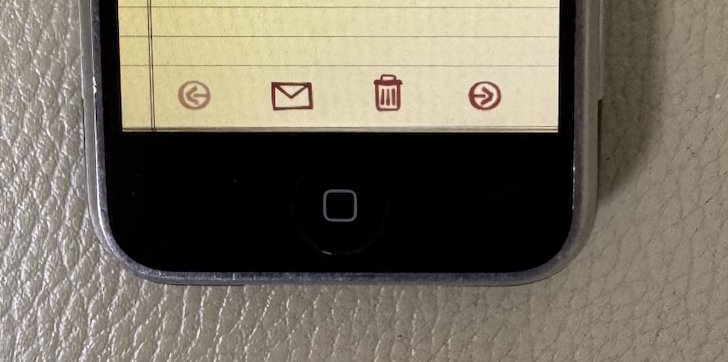
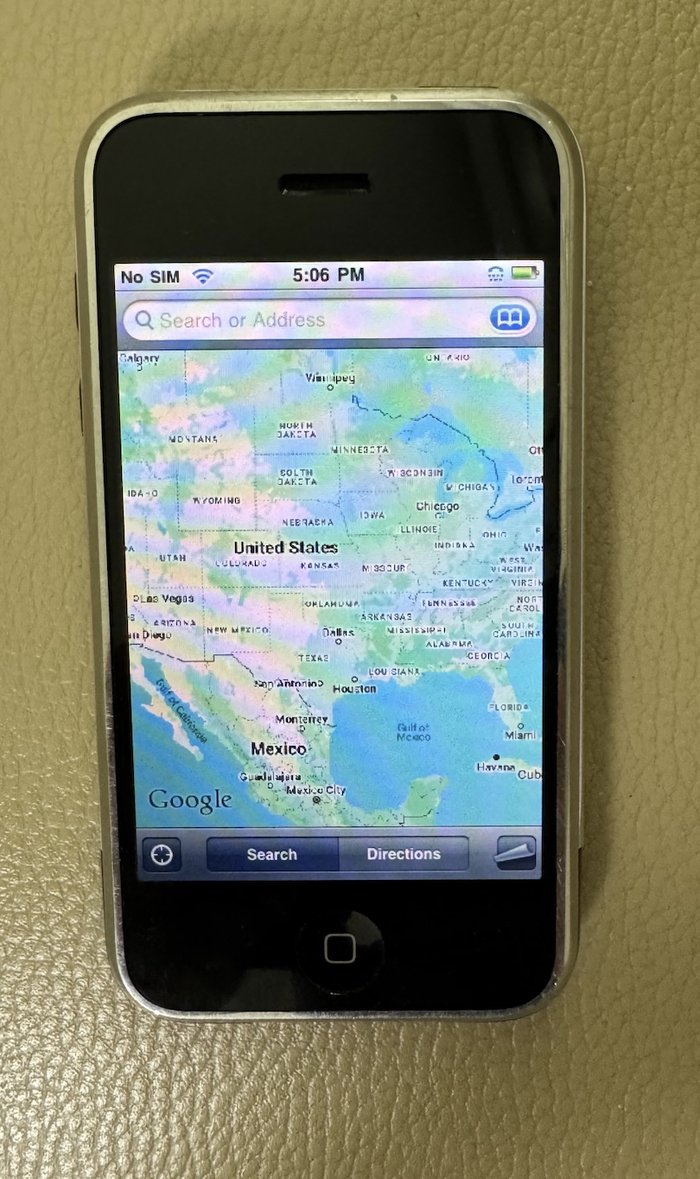
A second photograph, three minutes later. Still No SIM, now with a Wi-Fi signal, and Maps draws the United States with Google's name in the corner.
The phone part is silent. The parts that never needed a carrier still answer.
The castle taught me that function is an agreement between a thing and a place. Phone was true of this handset only while towers, spectrum and a contract held it up. Nothing in the aluminium changed this August. A network somewhere else did.
My own use had already shown this. My attachment did not centre on calling. It centred on music, browsing and social encounters, and later on photographs and the news.
It requests
- A bare fingertip
- Eyes on the glass
- In 2007, a carrier contract
It allowed me
- Music
- A browser, and the BBC each day
- Photographs
- A reason for people to talk to me
It refuses
- A screen reader
- A standard headphone plug without an adapter
- A battery swap by its owner
- Since August 2026, any US cellular network
The flat glass I experience as simplicity shut blind users out for about two years, until the iPhone 3GS brought VoiceOver in June 2009 (Braille Monitor, 2009). My enjoyment depends on being the kind of user it anticipated.
If what made it a phone was never inside the case, the object in my hand is only part of the thing.